
These veterans show that with the right resources and support systems, lasting recovery is not only possible but can become a foundation for renewed purpose and service to others. Drinking as a coping mechanism is a form of avoidance, and this can mean that you only prolong your symptoms. Most people with PTSD have an urge to avoid any memories or flashbacks of the trauma. Between 60–80 percent of Vietnam veterans report alcohol issues when seeking treatment for PTSD. Binge drinking is particularly prevalent among veterans with PTSD as compared to other groups.
Habits for Proper Mental Health
Schedule an appointment with a VA primary care provider to discuss PTSD and substance use concerns. If you need immediate help, contact the Veterans Crisis Line (988, press 1) or visit any VA medical center. If you don’t qualify for VA care, contact Vet Centers for free counseling, or explore private insurance options. Veterans often find it almost impossible to cope with anxiety, depression, and PTSD when attempting to return to civilian life. Connecting with other veterans who understand these challenges provides invaluable support. Dialectical Behavior Therapy (DBT) DBT teaches distress tolerance, emotional regulation, and interpersonal effectiveness skills that are crucial for managing both PTSD symptoms and addiction triggers.
- People with complex post-traumatic stress disorder (CPTSD) often experience chronic emotional distress.
- Assisting PTSD alcoholic family members may be especially difficult because people aren’t labels, they’re just a loved one struggling with analcohol addiction.
- By understanding the interplay between these two disorders, healthcare professionals can develop individualized treatment plans that target the root causes and provide effective support.
- These conditions can impair resilience and coping, making it more likely that trauma-related symptoms develop into PTSD and that substance use becomes a preferred coping strategy.
- Integrated treatment programs that target the underlying trauma while providing support for alcoholism recovery have shown promising outcomes.
Key Statistics on Veterans and Substance Abuse
- These guidelines recommend that treatment should not delay trauma-focused therapy due to concerns about relapse or destabilization.
- Post-Traumatic Stress Disorder (PTSD) and alcohol abuse are often comorbid, with many people suffering from both conditions simultaneously.
- Recognizing these overlapping symptoms early can improve prognosis by guiding comprehensive, tailored strategies that target both trauma and substance reliance.
Early intervention can prevent alcohol use from spiraling out of control, and offer healthier ways to drug addiction cope with trauma. Over time, alcohol rewires the brain’s reward system and can make it difficult to feel pleasure or relaxation without drinking. As alcohol leaves the system, anxiety and mood disturbances often return stronger than before. Alcohol can also impair judgment, making it more likely for individuals to engage in risky behaviors or find themselves in dangerous situations. Programs supporting job placement and vocational training are linked to improved treatment outcomes and reduced relapse risk, underscoring the critical role of economic stability in addiction recovery. We take a proactive, intervention-based approach to homelessness by meeting homeless veterans where they are and helping them from there.

A Path to Hope and Recovery
As much as 70 percent of the U.S. population has experienced at least one trauma, such as a traffic accident, assault, or an incident of physical or sexual abuse. Many people are able to cope with their traumatic experiences and do not suffer from prolonged consequences. For about 8 percent of the population, however, the consequences of experiencing trauma do not abate and may indeed get worse with time (Breslau et al. 1991; Kessler et al. 1995). The degree to which a person or animal can control a traumatic event is an important factor in understanding the impact of the event (Seligman 1975).
Importance of Addressing Sleep Issues
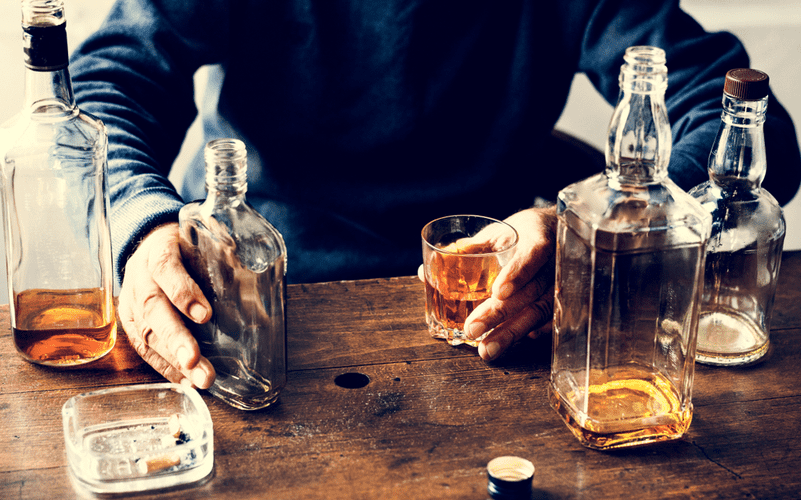
For example, although some people use alcohol to help them sleep, in reality, alcohol can make sleep less restful. Getting treatment for PTSD or using positive coping actions are better options than turning to alcohol or drugs. Research suggests that for most people who have both PTSD and problems with alcohol or drug use, PTSD develops first. They might use drugs or alcohol to help them relax, feel more comfortable in social settings, or deal with thoughts and feelings they would rather avoid. PTSD and alcohol abuse may co-occur due to the tendency of people diagnosed with PTSD to engage in self-destructive ptsd and alcohol abuse behavior and the desire to avoid thinking about the trauma.
- For individuals dealing with PTSD and substance use disorder (SUD), various support systems can significantly aid in recovery.
- Alcoholism, also known as Alcohol Use Disorder (AUD), is a chronic condition characterized by a problematic pattern of alcohol consumption.
- She also recalled sexual abuse by her intoxicated father from the ages of 8 to 14.
VA Rehab Programs and Community Care Options
Prevention campaigns that keep young people from starting substance use in the first place further reduce the long-term burden of repeated relapses. When PTSD and SUDs co-occur, they create a dual diagnosis, complicating treatment approaches. Statistics show that individuals with PTSD are two to four times more likely to also struggle with SUDs. This intersection reveals a compelling need for integrated treatment plans that address both disorders simultaneously. Research in the past quarter century has shown that experiencing trauma does not necessarily lead to psychopathology.
This avoidance can further contribute to the loss of positive feelings and thoughts by limiting opportunities for enjoyable experiences and social connections. Treating comorbid PTSD and alcohol use disorder (AUD) requires an integrated approach, simultaneously managing both conditions with targeted therapies such as psychotherapy or medication. Research on medications that can effectively treat both PTSD and AUD has been limited. Relapse patterns are not simply numbers; they reflect real human challenges and the need for consistent, https://alsaadircars.com.sa/letters-of-encouragement-spreading-hope-and/ comprehensive treatment approaches. With high rates of early relapse, stakeholders must develop robust prevention strategies and emphasize ongoing support in recovery.